


As a supplier of corrugated cable drums, I've encountered numerous inquiries regarding their suitability for outdoor use. This blog post aims to delve into this topic comprehensively, weighing the pros and cons to help you make an informed decision for your cable storage and transportation needs.
Advantages of Corrugated Cable Drums for Outdoor Use
Durability
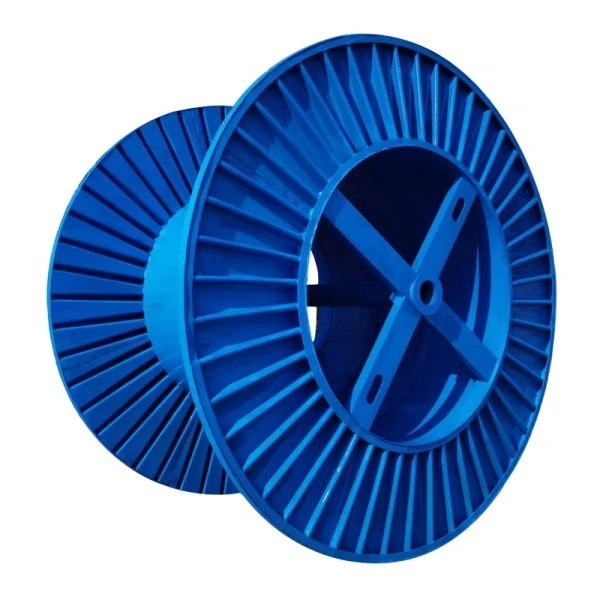
One of the primary advantages of corrugated cable drums is their exceptional durability. The corrugated design provides added strength and rigidity to the drum, making it more resistant to impacts, vibrations, and other physical stresses commonly encountered in outdoor environments. Whether it's being transported over rough terrain or stored in an exposed area, these drums can withstand the rigors of outdoor use without significant damage.

Weather Resistance
Corrugated cable drums are typically made from high - quality materials such as steel or plastic, which offer excellent weather resistance. Steel drums can be coated with protective finishes to prevent rust and corrosion, even when exposed to rain, snow, and humidity. Plastic drums, on the other hand, are inherently resistant to moisture and can withstand a wide range of temperatures without warping or cracking. This makes them suitable for long - term outdoor storage and use in various climates.
Versatility
These drums come in a variety of sizes and capacities, making them suitable for different types of cables and outdoor applications. Whether you need to store and transport small - gauge control cables or large - diameter power cables, there is a corrugated cable drum that can meet your requirements. Additionally, they can be used in a range of industries, including construction, telecommunications, and energy, where outdoor cable management is crucial.
Cost - Effectiveness
In the long run, corrugated cable drums can be a cost - effective solution for outdoor use. Their durability means that they have a longer lifespan compared to some other types of cable storage options, reducing the need for frequent replacements. Moreover, their stackability allows for efficient storage and transportation, which can save on space and logistics costs.
Considerations for Outdoor Use
Protection from UV Radiation
While corrugated cable drums are generally durable, prolonged exposure to ultraviolet (UV) radiation can cause damage to certain materials, especially plastics. Over time, UV rays can cause the plastic to become brittle and fade, potentially compromising the integrity of the drum. To mitigate this issue, some manufacturers offer UV - stabilized plastics or protective coatings for steel drums to enhance their resistance to UV radiation.
Maintenance Requirements
Even though corrugated cable drums are designed to be low - maintenance, outdoor use may require some additional upkeep. For steel drums, regular inspections for signs of rust or damage are necessary, and any areas with damaged coatings should be repaired promptly to prevent corrosion. Plastic drums should also be checked for cracks or signs of wear, and they may need to be cleaned periodically to remove dirt and debris.
Environmental Conditions
The specific environmental conditions of the outdoor location where the cable drums will be used need to be considered. For example, in areas with high winds, the drums may need to be secured to prevent them from tipping over. In regions prone to flooding or heavy rainfall, proper drainage and elevated storage areas may be required to keep the drums and cables dry.
Comparison with Other Cable Storage Options
Wood Drums
Wooden cable drums have been used for many years, but they have some limitations when it comes to outdoor use. Wood is susceptible to rot, termite infestation, and damage from moisture. In contrast, corrugated cable drums offer better durability and weather resistance, making them a more reliable option for long - term outdoor storage.
Non - Corrugated Drums
Non - corrugated drums may lack the structural strength and rigidity provided by the corrugated design. This can make them more prone to damage during handling and transportation, especially in outdoor environments where they are likely to be subjected to more physical stress.
Applications in Outdoor Settings
Construction Sites
On construction sites, corrugated cable drums are essential for storing and transporting cables used in electrical systems, lighting, and heavy machinery. Their durability allows them to withstand the rough conditions of a construction site, including being moved around, stacked, and exposed to dust and debris.
Telecommunications
In the telecommunications industry, outdoor cable runs are common, and corrugated cable drums are used to store and deploy fiber optic and copper cables. Their weather resistance ensures that the cables remain protected during installation and long - term use, even in harsh outdoor environments.
Energy Sector
For the energy sector, such as in power plants or wind farms, corrugated cable drums are used to manage high - voltage cables. Their ability to handle large - diameter cables and their durability make them suitable for the demanding outdoor conditions found in these industries.
Conclusion
In conclusion, corrugated cable drums are generally well - suited for outdoor use. Their durability, weather resistance, versatility, and cost - effectiveness make them a popular choice for a wide range of outdoor applications. However, it's important to consider the specific environmental conditions, maintenance requirements, and potential limitations such as UV radiation. By taking these factors into account, you can ensure that your corrugated cable drums will provide reliable service in outdoor settings.
If you're interested in purchasing corrugated cable drums for your outdoor projects, we offer a wide range of options to meet your needs. You can explore our Steel Cable Reel Drums, Empty Steel Cable Spools, and DIN - 2000 Empty Corrugated Cable Bobbin. We are happy to discuss your specific requirements and provide you with the best solutions for your cable storage and transportation needs. Contact us today to start the procurement negotiation process.
References
- "Cable Drum Design and Manufacturing Standards," Industry Handbook on Cable Management.
- "Materials for Outdoor Cable Storage," Journal of Engineering Materials and Applications.