


Hey there! As a supplier of plywood cable wire drums, I've seen firsthand how important it is to optimize the space utilization of these drums. Whether you're a cable manufacturer, a distributor, or an electrician, making the most of your storage and transportation space can save you a lot of time and money. So, in this blog post, I'm going to share some tips and tricks on how to optimize the space utilization of a plywood cable wire drum.
Understanding the Basics of Plywood Cable Wire Drums
Before we dive into the optimization strategies, let's first understand the basics of plywood cable wire drums. These drums are typically made of high-quality plywood, which is strong, durable, and lightweight. They come in various sizes and shapes, depending on the type and quantity of cable you need to store or transport.
One of the key advantages of plywood cable wire drums is their versatility. They can be used for both indoor and outdoor applications, and they are suitable for a wide range of cable types, including electrical cables, fiber optic cables, and steel wire ropes. Additionally, plywood cable wire drums are eco-friendly, as they are made from renewable materials and can be recycled at the end of their lifespan.
Measuring the Available Space
The first step in optimizing the space utilization of a plywood cable wire drum is to measure the available space. This includes the dimensions of the storage area, the transportation vehicle, and the cable itself. By knowing the exact measurements, you can choose the right size and shape of the drum that will fit perfectly into the available space.
For example, if you have a limited storage area, you may want to consider using smaller drums or stacking them vertically to save space. On the other hand, if you're transporting the drums by truck, you need to make sure they fit within the dimensions of the truck bed and are properly secured to prevent shifting during transit.
Choosing the Right Drum Size and Shape
Once you have measured the available space, the next step is to choose the right drum size and shape. The size of the drum should be based on the length and diameter of the cable, as well as the weight and volume of the cable. A drum that is too small may not be able to hold the entire cable, while a drum that is too large may take up unnecessary space.
In addition to the size, the shape of the drum also plays an important role in space utilization. For example, round drums are more efficient for storing and transporting cable because they can be stacked more easily and take up less space than square or rectangular drums. However, square or rectangular drums may be more suitable for certain applications, such as when you need to stack the drums horizontally or when you have limited vertical space.
Stacking and Nesting the Drums
Stacking and nesting the drums is another effective way to optimize the space utilization of plywood cable wire drums. Stacking the drums vertically can save a significant amount of floor space, especially in a warehouse or storage facility. To stack the drums safely, make sure they are properly aligned and secured to prevent them from falling or tipping over.
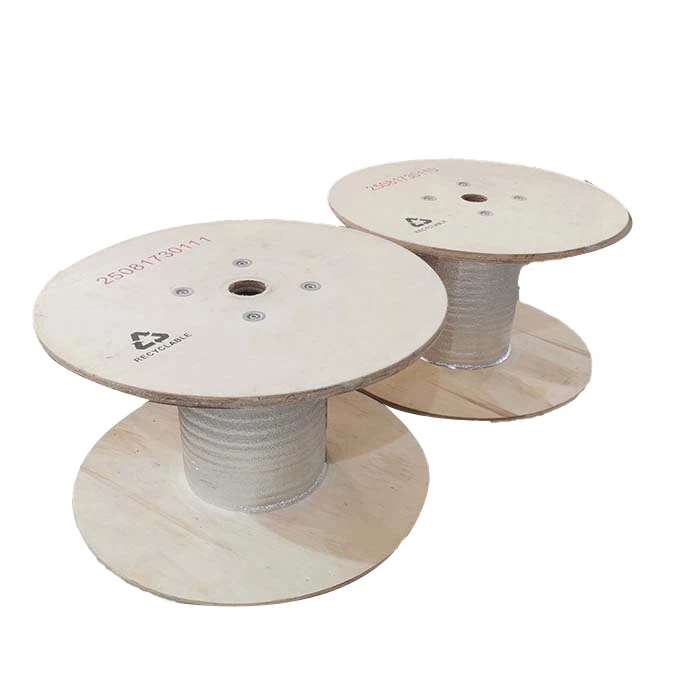
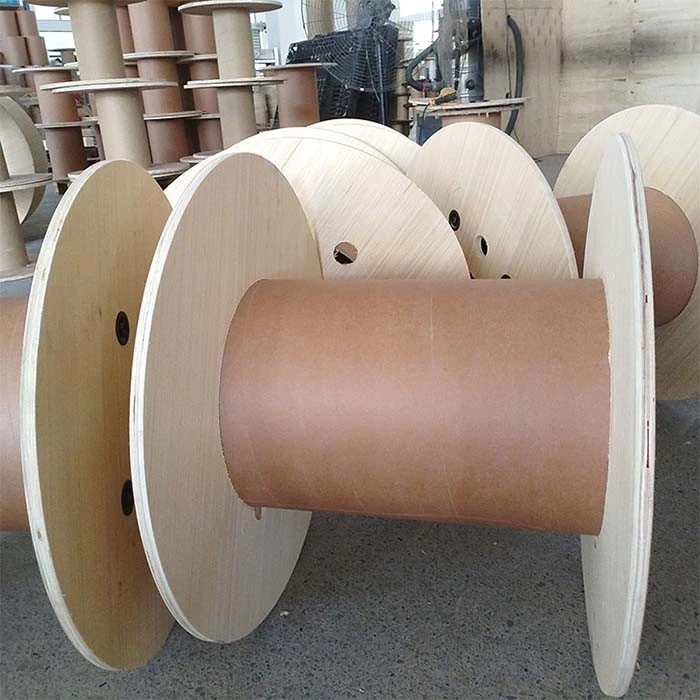
Nesting the drums is a technique where you place smaller drums inside larger drums to reduce the overall volume. This is particularly useful when you have multiple drums of different sizes. By nesting the drums, you can reduce the amount of space they take up during storage and transportation.
Using Accessories to Maximize Space
There are several accessories available that can help you maximize the space utilization of plywood cable wire drums. For example, you can use drum stands or racks to stack the drums vertically and keep them organized. These stands or racks can be adjustable, allowing you to customize the height and spacing of the drums to fit your specific needs.
Another useful accessory is a cable winding machine. This machine can help you wind the cable onto the drum more efficiently and compactly, reducing the amount of space the cable takes up on the drum. Additionally, some cable winding machines can also automatically cut the cable to the desired length, saving you time and labor.
Considering the Cable Arrangement
The way you arrange the cable on the drum can also affect the space utilization. For example, if you wind the cable tightly and evenly around the drum, you can fit more cable on the drum and reduce the overall volume. On the other hand, if you wind the cable loosely or unevenly, you may end up wasting space and having to use a larger drum.
To ensure a tight and even cable arrangement, you can use a cable tensioner or a cable guide. These tools can help you control the tension of the cable as you wind it onto the drum and keep it in place. Additionally, you can also use a cable wrapping machine to wrap the cable in a protective layer, which can further reduce the space the cable takes up on the drum.
Conclusion
Optimizing the space utilization of a plywood cable wire drum is essential for saving time, money, and resources. By following the tips and tricks outlined in this blog post, you can choose the right drum size and shape, stack and nest the drums effectively, use accessories to maximize space, and consider the cable arrangement.
If you're interested in learning more about our Durable Eco Plywood Cable Drum, Plywood Cable Spool Reel, or Steel Wire Rope Plywood Drum, or if you have any questions or need further assistance, please feel free to contact us. We'd be happy to help you find the perfect solution for your cable storage and transportation needs.
References
- "Cable Drum Design and Manufacturing." Cable Manufacturer's Handbook.
- "Space Optimization Techniques for Industrial Storage." Logistics and Supply Chain Management Journal.
- "Plywood Cable Drums: A Sustainable Solution for Cable Storage and Transportation." Environmental Science and Technology Magazine.