


As a supplier of plywood cable drums, I've seen my fair share of cable damages over the years. It's a real headache for everyone involved - from the installers dealing with frayed wires to the end - users facing disruptions. In this blog, I'll share some practical tips on how to prevent damage to cables when using a plywood cable drum.
1. Choose the Right Plywood Cable Drum
First things first, picking the correct drum is crucial. There are different types of plywood cable drums available, and you need to select one that suits your cable's requirements. For instance, if you're dealing with heavy - duty winch cables, you'll need a sturdier drum. Check out our Heavy Duty Winch Cable Use Plywood Drum option. It's built to handle the weight and stress of these types of cables.
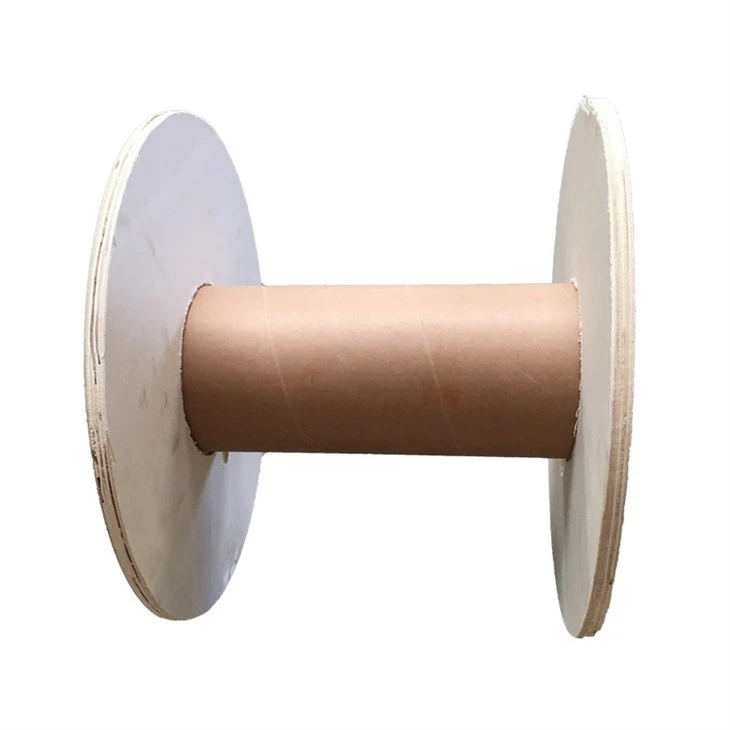
The size of the drum also matters. A drum that's too small can cause the cable to be wound too tightly, leading to kinking and internal damage. On the other hand, a drum that's too large may not hold the cable securely, increasing the risk of it shifting during transport or storage. Make sure to measure your cable length and diameter accurately and choose a drum with the appropriate dimensions. Our Plywood Cable Reel Drum comes in various sizes to fit different cable needs.

2. Proper Cable Loading
When loading the cable onto the drum, take your time and do it correctly. Start by ensuring the drum is placed on a flat and stable surface. This prevents the drum from wobbling or tipping over during the winding process, which could cause the cable to tangle or get damaged.
Begin winding the cable evenly from the center of the drum. Avoid creating bulges or uneven layers as this can put uneven pressure on the cable and damage its insulation. As you wind, keep the cable under gentle tension. Too much tension can stretch the cable and damage its internal structure, while too little tension can lead to loose winding and tangling.
If you're using a machine to wind the cable, make sure it's set to the appropriate speed and tension settings. Some modern machines have automated features that can help ensure a consistent and even winding process.
3. Storage and Transportation
Proper storage and transportation are key to preventing cable damage. When storing the cable on the drum, keep it in a dry and cool place. Moisture can cause corrosion of the cable conductors and damage the insulation. If the storage area is prone to high humidity, consider using moisture - resistant covers or desiccants to protect the cable.
During transportation, secure the drum properly to prevent it from rolling or shifting. You can use straps or chains to hold the drum in place on a truck or trailer. Also, make sure the cables are protected from external elements such as sharp objects, rocks, or debris. You can cover the drum with a protective tarp to shield the cable from potential damage.
4. Inspect Regularly
Regular inspections are a must - do. Before using the cable again after storage or transportation, take a close look at it. Check for any signs of wear and tear, such as cuts, frayed ends, or damaged insulation. If you notice any issues, address them immediately. Sometimes, a small problem can lead to more significant damage if left unattended.
Inspect the plywood cable drum as well. Look for any cracks or splinters in the plywood. A damaged drum can no longer provide proper support to the cable and may cause further damage. If you find any damage to the drum, it might be time to replace it. Our Plywood Cable Wire Drum is made of high - quality plywood that is durable, but regular checks are still important.
5. Training for Staff
If you have a team involved in handling the cables and drums, make sure they're properly trained. Teach them the correct procedures for loading, storing, transporting, and inspecting the cables and drums. Provide them with safety guidelines on how to handle the equipment to minimize the risk of accidents and cable damage.
Well - trained staff are more likely to follow the best practices, reducing the chances of cable damage. You can organize regular training sessions and refreshers to keep everyone up - to - date on the latest techniques and safety measures.
Conclusion
Preventing cable damage when using a plywood cable drum requires a combination of the right equipment, proper handling procedures, regular inspections, and trained staff. By following these tips, you can significantly reduce the risk of cable damage, ensuring that your cables remain in good condition and perform as expected.
If you're in the market for high - quality plywood cable drums, we're here to help. We offer a wide range of options to meet your specific needs. Whether you need a drum for heavy - duty cables or a standard - sized one for general use, we've got you covered. Don't hesitate to get in touch for more information or to discuss your procurement needs. We're looking forward to working with you!
References
- General knowledge from years of experience as a plywood cable drum supplier.
- Industry best practices for cable handling and storage.