


Hey there! As a supplier of plywood cable wire drums, I've seen firsthand the importance of properly securing cables on these drums. It's not just about keeping things organized; it's about ensuring safety, preventing damage, and making sure your cables are ready to go when you need them. In this blog post, I'm going to share some tips and tricks on how to secure a cable on a plywood cable wire drum like a pro.
First things first, let's talk about why it's so important to secure your cables properly. When cables are loose or not secured correctly, they can become tangled, damaged, or even pose a safety hazard. This can lead to costly repairs, downtime, and potential injuries. By taking the time to secure your cables properly, you can avoid these issues and ensure that your cables are protected and ready to use.
Now, let's get into the nitty-gritty of how to secure a cable on a plywood cable wire drum. The first step is to choose the right drum for your cable. Make sure the drum is the right size and capacity for your cable, and that it's made of high-quality plywood that can withstand the weight and tension of the cable. You can check out our Plywood Cable Reels for a variety of options.
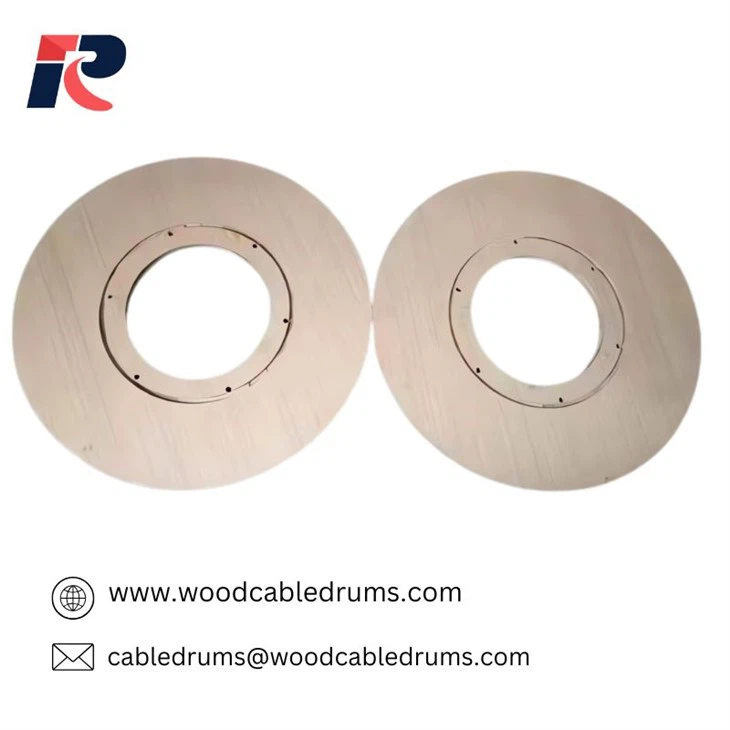

Once you've chosen the right drum, it's time to start securing the cable. The first thing you'll want to do is make sure the drum is clean and free of any debris or sharp edges that could damage the cable. You can use a clean cloth or brush to wipe down the drum and remove any dirt or dust.
Next, you'll want to start winding the cable onto the drum. Make sure you start at the center of the drum and work your way outwards, keeping the cable as tight and straight as possible. You can use a cable tensioner or a pair of pliers to help keep the cable taut as you wind it onto the drum.
As you're winding the cable onto the drum, you'll want to make sure you're not overlapping the cable or creating any loops or kinks. This can cause the cable to become tangled or damaged, and it can also make it more difficult to unwind the cable later on. If you do encounter any loops or kinks, you can use a cable comb or a pair of pliers to straighten them out.
Once you've wound the cable onto the drum, it's time to secure it in place. There are several different ways to do this, depending on the type of cable and the drum you're using. One common method is to use cable ties or straps to secure the cable to the drum. You can wrap the cable ties or straps around the cable and the drum, making sure they're tight enough to hold the cable in place but not so tight that they damage the cable.
Another method is to use a cable clamp or a cable gland to secure the cable to the drum. These devices are designed to hold the cable in place and prevent it from slipping or moving around. You can install the cable clamp or gland at the end of the cable, near the drum, and tighten it down using a screwdriver or a wrench.
If you're using a large or heavy cable, you may also want to consider using a cable reel brake to secure the cable to the drum. A cable reel brake is a device that helps to control the speed and tension of the cable as it's being wound onto or unwound from the drum. This can help to prevent the cable from becoming loose or damaged, and it can also make it easier to handle the cable.
In addition to securing the cable to the drum, you may also want to consider adding some additional protection to the cable. This can include using a cable sleeve or a cable jacket to protect the cable from damage, or using a cable marker to label the cable and make it easier to identify.
Finally, once you've secured the cable to the drum and added any additional protection, it's important to store the drum in a safe and dry place. Make sure the drum is stored in an area where it won't be exposed to moisture, heat, or other environmental factors that could damage the cable or the drum. You can also use a cable reel cover or a storage container to protect the drum and the cable from dust, dirt, and other debris.
So, there you have it! These are some tips and tricks on how to secure a cable on a plywood cable wire drum like a pro. By following these steps, you can ensure that your cables are protected, organized, and ready to use when you need them. If you have any questions or need more information about our Plywood Cable Reels, or if you're interested in purchasing a drum for your cable, please don't hesitate to contact us. We'd be happy to help you find the right drum for your needs and answer any questions you may have.
References
- Industry standards and best practices for cable management and storage.
- Experience and knowledge gained from years of supplying plywood cable wire drums.