


As a supplier of plywood cable drums, I understand the importance of securely winding cables on these drums to prevent unwinding. Unwound cables can lead to a range of issues, from tangled messes that waste time and labor to potential safety hazards in industrial and construction settings. In this blog post, I'll share some effective methods and best practices for securing cables on plywood cable drums.
Understanding the Basics of Plywood Cable Drums
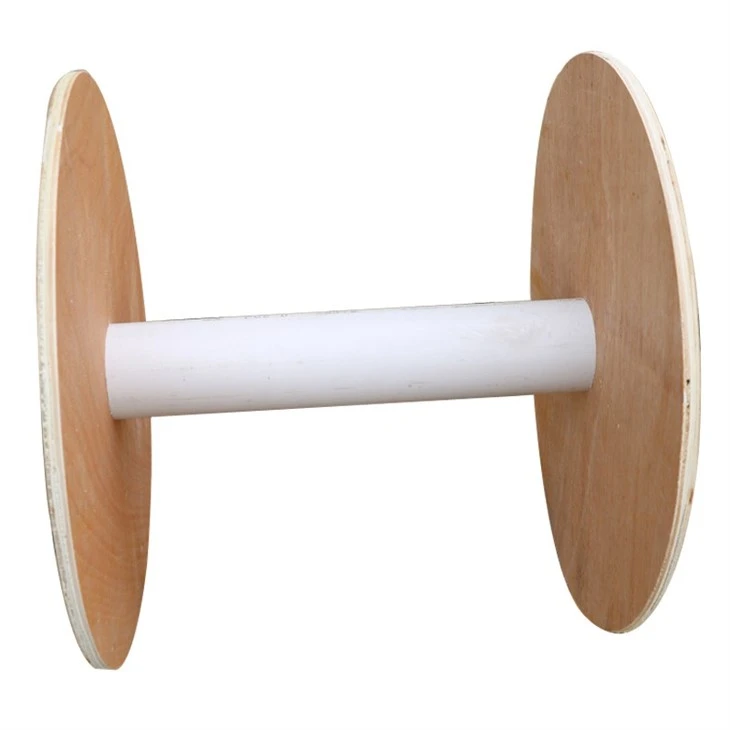
Before diving into cable - securing techniques, it's essential to have a basic understanding of plywood cable drums. Plywood cable drums are popular due to their cost - effectiveness, relatively light weight, and ease of customization. They come in various sizes and specifications to accommodate different cable types and lengths. You can explore our range of Plywood Cable Wire Drum and Plywood Cable Spool options, and if you have specific size requirements, we also offer Customized Size Plywood Cable Drums.
Pre - winding Preparation
The first step in securing cables on a plywood cable drum is proper pre - winding preparation. This involves inspecting the drum and the cable.
- Drum Inspection: Check the plywood cable drum for any signs of damage, such as cracks, splinters, or loose parts. A damaged drum may not provide a stable base for cable winding and can increase the risk of unwinding. Ensure that the drum's flanges are intact and perpendicular to the core, as this helps keep the cable in place during winding.
- Cable Inspection: Examine the cable for any kinks, cuts, or other defects. A damaged cable can cause uneven winding and may be more prone to unwinding. Also, make sure the cable is clean and free of debris, as dirt and grime can affect the friction between the cable layers and the drum surface.
Winding Techniques
The way you wind the cable onto the drum plays a crucial role in preventing unwinding.

- Uniform Winding: Start winding the cable from the center of the drum core. Ensure that each layer of the cable is wound evenly and tightly against the previous layer. Avoid overlapping or leaving gaps between the cable turns, as this can lead to instability and increase the likelihood of unwinding. Use a winding machine if possible, as it can provide more consistent and controlled winding compared to manual winding.
- Layering: When winding multiple layers of cable, change the direction of winding slightly between layers. This cross - layering technique helps to interlock the cable turns and provides better stability. For example, if the first layer is wound clockwise, the second layer can be wound counter - clockwise.
Securing the Cable Ends
Securing the cable ends is one of the most critical steps in preventing unwinding.
- Tying Methods: One common method is to tie the cable end to the drum using a strong cable tie or a nylon strap. Wrap the tie around the cable and the drum flange, and tighten it securely. Make sure the tie is not too tight to damage the cable but tight enough to hold it in place. Another option is to use a knot. A simple overhand knot or a bowline knot can be effective for securing the cable end. However, ensure that the knot is properly tightened and won't come undone easily.
- Adhesive or Tape: For smaller cables, you can use adhesive or strong tape to secure the end to the drum. Apply a small amount of adhesive or tape along the cable and the drum surface, making sure it adheres firmly. This method is quick and easy but may not be suitable for heavy - duty or large - diameter cables.
Using Additional Support Structures
In some cases, additional support structures can enhance the security of the cable on the plywood cable drum.
- Bands or Straps: Wrapping bands or straps around the wound cable can provide extra stability. Metal or plastic bands can be tightened around the cable layers at regular intervals along the drum's length. This helps to hold the cable in place and prevent it from shifting or unwinding.
- Cable Guides: Installing cable guides on the drum can help keep the cable in the correct position during winding and storage. Cable guides are typically made of plastic or metal and are attached to the drum's flanges. They can direct the cable to wind in a straight and even manner, reducing the risk of unwinding.
Storage and Handling Considerations
Proper storage and handling of the cable - loaded plywood cable drums are also important for preventing unwinding.
- Storage: Store the drums in a dry and stable environment. Avoid exposing them to extreme temperatures, humidity, or direct sunlight, as these conditions can affect the integrity of the plywood and the cable. Stack the drums carefully, ensuring that they are not subjected to excessive pressure or stress that could cause the cable to unwind.
- Handling: When moving the drums, use appropriate lifting equipment and techniques. Avoid dropping or jarring the drums, as this can disrupt the cable winding and lead to unwinding. If possible, transport the drums in a secure and stable position to minimize movement during transit.
Regular Inspections
Even after taking all the necessary steps to secure the cable on the plywood cable drum, regular inspections are still necessary.
- Visual Checks: Periodically inspect the cable - loaded drum for any signs of unwinding, such as loose cable turns or shifted layers. Check the cable ends and any securing devices to ensure they are still in place and functioning properly.
- Tightening: If you notice any signs of loosening, retighten the cable ties, bands, or other securing mechanisms as needed. This can help maintain the integrity of the cable winding and prevent further unwinding.
Conclusion
Securing cables on plywood cable drums to prevent unwinding requires a combination of proper pre - winding preparation, correct winding techniques, effective cable end securing methods, and appropriate storage and handling. By following these best practices, you can ensure that your cables remain securely wound on the drums, reducing the risk of unwinding and associated problems.
If you are in need of high - quality plywood cable drums or have any questions about cable winding and securing, please feel free to contact us for procurement and further discussions. We are committed to providing you with the best products and solutions to meet your cable storage and transportation needs.
References
- "Cable Management Handbook" by ABC Publishing
- Industry standards and guidelines for cable storage and transportation