


Storing cables on an ABS plastic cable reel for an extended period requires a combination of proper handling, storage conditions, and preventive measures. As a trusted supplier of ABS plastic cable reels, I'm here to share comprehensive insights and practical tips to ensure your cables remain in optimal condition over time.
Understanding ABS Plastic Cable Reels
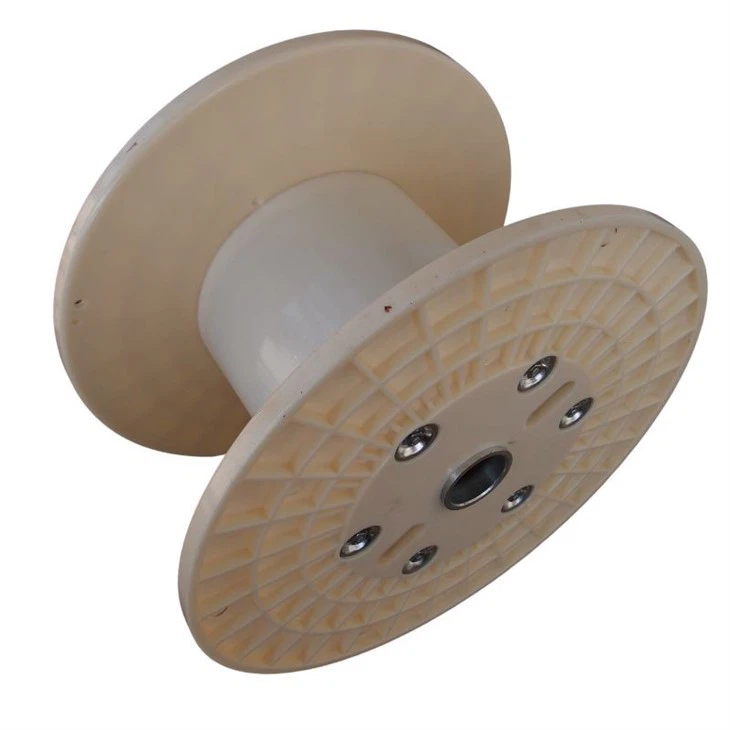
ABS (Acrylonitrile Butadiene Styrene) plastic cable reels are renowned for their durability, impact resistance, and chemical stability. These qualities make them an ideal choice for long - term cable storage. The ABS material can withstand various environmental conditions, protecting the cables from physical damage and corrosion.
If you're in the market for high - quality ABS plastic cable reels, you can explore our ABS Plastic Wire Reel and Abs Plastic Spool options. Our PN560 series, like the PN560 Plastic Bobbin, is designed to meet the diverse needs of cable storage, offering a perfect balance between strength and functionality.
Pre - storage Preparation
Before winding the cables onto the ABS plastic reel, it's crucial to inspect the cables thoroughly. Look for any signs of damage, such as cuts, abrasions, or frayed ends. If you find any damaged sections, repair or replace the affected parts to prevent further deterioration during storage.
Clean the cables to remove dirt, dust, and debris. You can use a soft cloth or a mild cleaning solution to wipe the cables gently. Make sure the cables are completely dry before proceeding with the winding process. This step helps prevent the growth of mold and mildew, which can damage both the cables and the ABS plastic reel.
Winding the Cables
When winding the cables onto the ABS plastic reel, start from the center of the reel. This ensures a more even distribution of the cable weight and reduces the risk of tangling. Use a slow and steady motion to wind the cable, keeping it as straight as possible. Avoid overlapping the cable layers too tightly, as this can cause stress on the cable insulation and lead to damage over time.
If you're dealing with a long cable, it may be beneficial to use a cable winding machine. These machines can provide a more consistent and efficient winding process, ensuring that the cable is wound neatly and evenly on the reel.
Storage Environment
The storage environment plays a significant role in the long - term preservation of cables on an ABS plastic reel. Choose a storage area that is dry, cool, and well - ventilated. High humidity can cause corrosion of the cable conductors and promote the growth of mold and mildew. Aim for a relative humidity level between 30% and 50%.
The temperature of the storage area should also be carefully controlled. Extreme temperatures can affect the physical properties of the cable insulation and the ABS plastic reel. Avoid storing the reels in areas that are exposed to direct sunlight or near heat sources, such as radiators or furnaces. A temperature range of 10°C to 30°C is generally ideal for cable storage.
Protection from Physical Damage
To protect the cables and the ABS plastic reel from physical damage, store the reels in a location where they won't be bumped or knocked over. You can use storage racks or shelves to keep the reels organized and secure. If possible, cover the reels with a protective cover to shield them from dust, dirt, and accidental impacts.
When handling the reels, use proper lifting techniques to avoid dropping or mishandling them. If you need to move the reels, use a suitable cart or dolly to transport them safely.
Periodic Inspection
Even if the cables are stored on an ABS plastic reel under ideal conditions, it's essential to conduct periodic inspections. Check the cables for any signs of damage, such as cracks, discoloration, or softening of the insulation. Inspect the ABS plastic reel for any signs of wear, such as cracks or deformation.
If you notice any issues during the inspection, take immediate action to address them. This may involve repairing or replacing the damaged parts or adjusting the storage conditions to prevent further damage.
Labeling and Documentation
Label each ABS plastic reel with detailed information about the cable, including the cable type, length, and date of storage. This information can be invaluable when you need to retrieve a specific cable or when conducting inventory checks.

Maintain a documentation system that records the storage history of each reel, including the inspection dates and any actions taken. This documentation can help you track the condition of the cables over time and make informed decisions about their maintenance and replacement.
Handling and Transport
When it comes to handling and transporting the ABS plastic reels with cables, extra care is required. During transport, secure the reels properly to prevent them from shifting or falling. Use straps or restraints to hold the reels in place, and make sure the vehicle used for transport has a stable and level surface.
Avoid sudden stops, starts, or sharp turns during transport, as these can cause the cables to shift on the reel and potentially damage the cable insulation. If you're shipping the reels over long distances, consider using a shipping container that provides additional protection from the elements and physical impacts.
Compatibility with Other Materials
Be aware of the compatibility of the ABS plastic reel with other materials in the storage environment. Some chemicals or solvents can react with the ABS plastic and cause damage. Avoid storing the reels near substances such as strong acids, alkalis, or petroleum - based products.
If you need to use any cleaning agents or lubricants on the cables or the reel, make sure they are compatible with the ABS plastic. Always test a small area first to ensure that there are no adverse reactions.
Long - term Maintenance
Over time, the ABS plastic reel may require some maintenance to ensure its continued functionality. Check the reel for any loose parts or signs of wear and tear. Tighten any loose screws or bolts, and replace any damaged components as needed.
If the ABS plastic reel has become dirty, clean it with a mild soap and water solution. Rinse it thoroughly and dry it completely before storing it again. This simple maintenance routine can extend the lifespan of the reel and protect the cables stored on it.
Conclusion
Properly storing cables on an ABS plastic reel for a long time requires attention to detail and a proactive approach. By following the steps outlined in this blog, you can ensure that your cables remain in excellent condition, ready for use when needed.
As a supplier of high - quality ABS plastic cable reels, we are committed to providing you with the best products and support. If you have any questions about cable storage or our ABS plastic reels, please don't hesitate to contact us for further information and to discuss your procurement needs. We look forward to helping you find the perfect solution for your cable storage requirements.
References
- "Cable Storage and Maintenance Guide", Electrical Engineering Handbook, 2022.
- "Properties and Applications of ABS Plastic", Polymer Science Journal, 2021.
- "Best Practices for Long - Term Cable Storage", Cable Manufacturer's Association Report, 2023.