


As a seasoned supplier of corrugated steel drums, I've witnessed firsthand the diverse requirements and preferences of our clients across various industries. One of the most critical aspects of these drums is their closures, which not only ensure the safety and integrity of the contents but also play a significant role in the overall functionality and usability of the drums. In this blog post, I'll delve into the different types of closures for corrugated steel drums, exploring their features, benefits, and ideal applications.
Lever Lock Closures
Lever lock closures are a popular choice for corrugated steel drums due to their simplicity, reliability, and ease of use. These closures consist of a metal ring with a lever that, when engaged, tightly seals the drum lid against the drum body. The lever is typically made of steel or another durable material and is designed to provide a strong, secure seal that can withstand the rigors of transportation and storage.
One of the key advantages of lever lock closures is their quick and easy operation. With just a simple flip of the lever, the drum can be opened or closed, making them ideal for applications where frequent access to the contents is required. Additionally, lever lock closures are highly adjustable, allowing for a tight seal to be achieved even on drums with slightly irregular lids or bodies.
Another benefit of lever lock closures is their compatibility with a wide range of drum sizes and types. Whether you're using a small, single-use drum or a large, industrial-sized drum, lever lock closures can be easily adapted to fit your specific needs. This versatility makes them a popular choice for a variety of industries, including food and beverage, chemical, and pharmaceutical.
However, it's important to note that lever lock closures may not be suitable for all applications. In some cases, the lever may be prone to damage or wear over time, especially if it's subjected to frequent use or harsh environmental conditions. Additionally, lever lock closures may not provide the same level of security as other types of closures, such as bolt ring closures, which are designed to provide a more permanent and tamper-proof seal.
Bolt Ring Closures
Bolt ring closures are another common type of closure for corrugated steel drums. These closures consist of a metal ring with a series of bolts that, when tightened, secure the drum lid to the drum body. The bolts are typically made of steel or another durable material and are designed to provide a strong, secure seal that can withstand the pressure and weight of the contents.
One of the main advantages of bolt ring closures is their high level of security. Unlike lever lock closures, which can be easily opened with a simple flip of the lever, bolt ring closures require a tool, such as a wrench or socket, to loosen the bolts and open the drum. This makes them ideal for applications where security and tamper-proofing are a top priority, such as the storage and transportation of hazardous materials or valuable goods.
Another benefit of bolt ring closures is their durability. The bolts are typically made of high-strength steel and are designed to withstand the rigors of transportation and storage. Additionally, bolt ring closures are less prone to damage or wear over time than lever lock closures, making them a more reliable choice for long-term use.
However, bolt ring closures also have some drawbacks. One of the main disadvantages is their relatively slow and cumbersome operation. Unlike lever lock closures, which can be opened or closed quickly and easily, bolt ring closures require a tool and some time to loosen or tighten the bolts. This can make them less convenient for applications where frequent access to the contents is required.
Plug Closures
Plug closures are a simple and cost-effective option for corrugated steel drums. These closures consist of a rubber or plastic plug that is inserted into a hole in the drum lid to seal the drum. The plug is typically designed to fit snugly into the hole, providing a tight seal that prevents the contents from leaking or spilling.
One of the main advantages of plug closures is their simplicity. Unlike lever lock closures or bolt ring closures, which require a complex mechanism to open or close the drum, plug closures can be easily inserted or removed by hand. This makes them ideal for applications where quick and easy access to the contents is required, such as the storage and transportation of liquids or powders.

Another benefit of plug closures is their cost-effectiveness. Plug closures are typically less expensive than other types of closures, making them a popular choice for applications where cost is a major consideration. Additionally, plug closures are available in a variety of sizes and materials, allowing for a custom fit to be achieved for your specific needs.
However, it's important to note that plug closures may not provide the same level of security or durability as other types of closures. In some cases, the plug may be prone to popping out or becoming loose over time, especially if it's subjected to vibration or pressure. Additionally, plug closures may not be suitable for applications where a high level of protection against leakage or contamination is required.
Tear Strip Closures
Tear strip closures are a relatively new type of closure for corrugated steel drums. These closures consist of a thin, plastic strip that is attached to the drum lid and, when pulled, tears open the lid to provide access to the contents. The tear strip is typically designed to be easy to pull, even with bare hands, making them ideal for applications where quick and easy access to the contents is required.
One of the main advantages of tear strip closures is their convenience. Unlike other types of closures, which require a tool or a complex mechanism to open the drum, tear strip closures can be opened with a simple pull of the strip. This makes them ideal for applications where frequent access to the contents is required, such as the storage and transportation of consumer goods or food products.
Another benefit of tear strip closures is their tamper-evident feature. Once the tear strip has been pulled, it cannot be reattached, providing a clear indication that the drum has been opened. This makes them ideal for applications where security and tamper-proofing are a top priority, such as the storage and transportation of pharmaceuticals or high-value goods.
However, tear strip closures also have some limitations. One of the main disadvantages is their limited reusability. Once the tear strip has been pulled, the drum lid cannot be resealed, making them suitable only for single-use applications. Additionally, tear strip closures may not provide the same level of protection against leakage or contamination as other types of closures, such as bolt ring closures or lever lock closures.
Conclusion
In conclusion, there are several different types of closures available for corrugated steel drums, each with its own unique features, benefits, and ideal applications. When choosing a closure for your drums, it's important to consider your specific needs and requirements, as well as the type of contents you'll be storing or transporting. Whether you're looking for a quick and easy-to-use closure, a high-security closure, or a cost-effective closure, there's a type of closure that's right for you.
If you're in the market for corrugated steel drums or need more information about the different types of closures available, please don't hesitate to contact us. As a leading supplier of corrugated steel drums, we have the expertise and experience to help you find the right solution for your specific needs. We offer a wide range of drum sizes and types, as well as a variety of closure options, to ensure that you get the best possible product for your money.
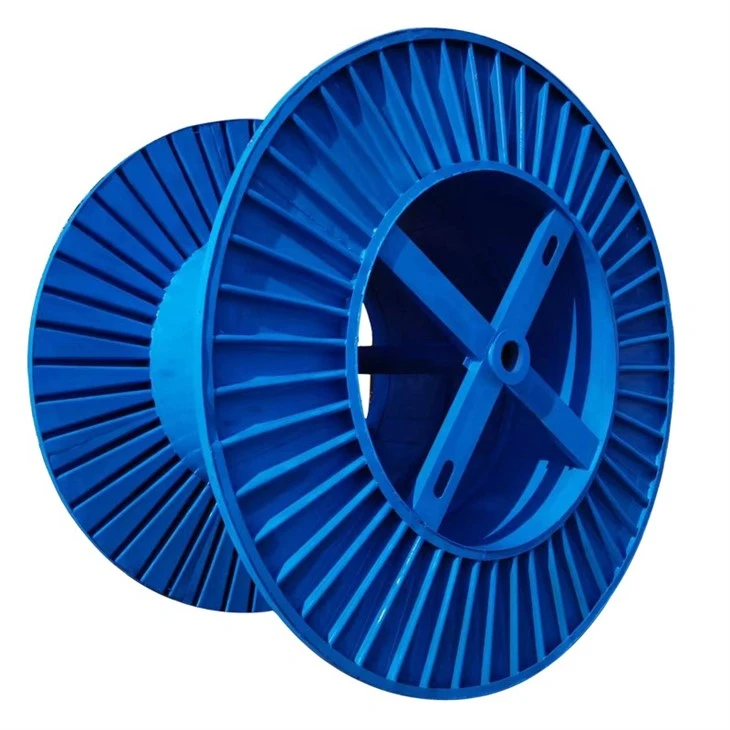
So, whether you're looking for a Corrugated Cable Drum, a Casted Corrugated Wire Spool, or a Large Metal Cable Spool, we've got you covered. Contact us today to learn more about our products and services, and to start your journey towards finding the perfect corrugated steel drum for your needs.
References
- ASTM International. (2021). Standard Specification for Steel Drums, 208 L (55 gal) and Smaller. ASTM D3998-21.
- International Safe Transit Association. (2020). Packaging Laboratory Testing Procedures. ISTA 1A, 1B, 1C, 1D, 1E, 1G, 1H.
- United Nations. (2019). Recommendations on the Transport of Dangerous Goods, Model Regulations. 19th Revised Edition.