


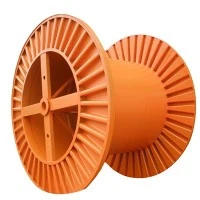


As a supplier of punching bobbins, I've encountered numerous inquiries from customers about the optimal way to store these essential components. Proper storage is crucial not only for maintaining the quality of punching bobbins but also for ensuring their longevity and performance when put to use. In this blog, I'll share some scientific and practical insights on the best way to store punching bobbins.
Understanding the Nature of Punching Bobbins
Before delving into the storage methods, it's essential to understand what punching bobbins are and what factors can affect them. Punching bobbins come in various types, such as the Metal Copper Wire Drum Bobbin, Punching Wire Spool Bobbin, and Professional Grade Copper Wire Bobbins. These bobbins are typically made of materials like metal or plastic, with a spool design to hold wire or other materials for punching operations.
The materials used in punching bobbins can be sensitive to environmental factors such as humidity, temperature, and physical damage. For example, metal bobbins can rust if exposed to moisture for an extended period, while plastic bobbins may become brittle or deformed under extreme temperatures.
Environmental Considerations
Temperature
Temperature plays a significant role in the storage of punching bobbins. Extreme temperatures can cause the materials to expand or contract, leading to structural damage or changes in the properties of the wire wound on the bobbins. Ideally, punching bobbins should be stored in an environment with a stable temperature range. A temperature between 18°C and 25°C (64°F and 77°F) is generally recommended.


Avoid storing bobbins in areas prone to rapid temperature fluctuations, such as near heating or cooling vents, direct sunlight, or uninsulated storage spaces. These conditions can accelerate the degradation of the bobbins and the wire they hold.
Humidity
Humidity is another critical factor to consider. High humidity levels can lead to corrosion of metal bobbins and the growth of mold on plastic or organic materials. On the other hand, low humidity can cause the wire to become dry and brittle, increasing the risk of breakage during use.
Maintaining a relative humidity level between 40% and 60% is ideal for storing punching bobbins. You can use a dehumidifier or humidifier to control the humidity in the storage area, depending on the local climate. Additionally, storing bobbins in sealed containers or cabinets can help protect them from excessive moisture.
Ventilation
Proper ventilation is essential to prevent the buildup of stagnant air and the accumulation of dust and debris. Good ventilation helps to maintain a consistent temperature and humidity level and reduces the risk of mold and mildew growth. However, be cautious not to expose the bobbins to strong drafts, as this can cause the wire to become tangled or damaged.
Physical Storage Conditions
Storage Containers
Using appropriate storage containers is crucial for protecting punching bobbins. Plastic or metal storage bins with lids can provide a barrier against dust, moisture, and physical damage. Make sure the containers are clean and dry before placing the bobbins inside.
If you're storing multiple bobbins, consider using dividers or compartments to keep them organized and prevent them from rubbing against each other. This can help prevent scratches and damage to the bobbins and the wire.
Shelving and Racking
Storing punching bobbins on sturdy shelves or racks is a practical way to keep them organized and easily accessible. Make sure the shelves are level and can support the weight of the bobbins. Avoid overloading the shelves, as this can cause them to sag or collapse, leading to damage to the bobbins.
When placing the bobbins on the shelves, arrange them in a way that minimizes the risk of them falling or rolling off. You can use shelf dividers or edge guards to prevent the bobbins from moving.
Handling and Transportation
Proper handling and transportation are also important aspects of storage. When moving punching bobbins, use appropriate lifting equipment and techniques to avoid dropping or damaging them. Avoid dragging the bobbins across rough surfaces, as this can cause scratches and damage to the wire.
During transportation, secure the bobbins to prevent them from shifting or colliding with each other. You can use straps or padding to protect the bobbins and ensure they arrive at their destination in good condition.
Rotation and Inspection
First-In, First-Out (FIFO)
Implementing a first-in, first-out (FIFO) inventory management system is a good practice for storing punching bobbins. This means using the oldest bobbins first to ensure that they are used before they have a chance to deteriorate. By following the FIFO principle, you can minimize the risk of having obsolete or damaged bobbins in your inventory.
Regular Inspection
Regularly inspecting the punching bobbins is essential to detect any signs of damage or deterioration early. Check for rust, cracks, deformation, or any other visible defects. If you notice any issues, remove the damaged bobbins from the inventory and replace them with new ones.
Inspect the wire wound on the bobbins for signs of breakage, fraying, or corrosion. If the wire is damaged, it may affect the performance of the punching operation and should be replaced.
Conclusion
Proper storage of punching bobbins is essential for maintaining their quality, performance, and longevity. By considering environmental factors such as temperature, humidity, and ventilation, using appropriate storage containers and shelving, and implementing a FIFO inventory management system, you can ensure that your punching bobbins are stored in the best possible conditions.
As a supplier of punching bobbins, we are committed to providing high-quality products and expert advice on their storage and use. If you have any questions or need further information about our Metal Copper Wire Drum Bobbin, Punching Wire Spool Bobbin, or Professional Grade Copper Wire Bobbins, please feel free to contact us for procurement and negotiation. We look forward to serving you and helping you achieve the best results in your punching operations.
References
- "Industrial Storage Best Practices," Industrial Storage Association.
- "Wire and Cable Storage Guidelines," National Electrical Manufacturers Association.