


Hey there! As a punching bobbin supplier, I often get asked about the differences between plastic and metal punching bobbins. So, I thought I'd break it down for you in this blog post.
Let's start with plastic punching bobbins. These are made from various types of plastics, like polyethylene or polypropylene. One of the big advantages of plastic bobbins is their weight. They're super light, which makes them easy to handle and transport. If you're moving a lot of bobbins around your workshop or shipping them to different locations, plastic bobbins won't add a ton of extra weight to your load.
Another plus for plastic bobbins is their cost. They're generally cheaper to produce than metal bobbins. This means you can get more bang for your buck when you're buying in bulk. If you're on a tight budget or just starting out in the business, plastic bobbins can be a great option.
Plastic bobbins are also quite resistant to corrosion. Unlike metal, they won't rust or corrode when exposed to moisture or certain chemicals. This makes them a good choice for environments where there's a risk of rusting, like near water or in areas with high humidity.
However, plastic bobbins do have some drawbacks. They're not as strong as metal bobbins. If you're using them for heavy-duty applications or if you need to wind a lot of wire or cable onto them, they might not hold up as well. The plastic can crack or break under too much stress.
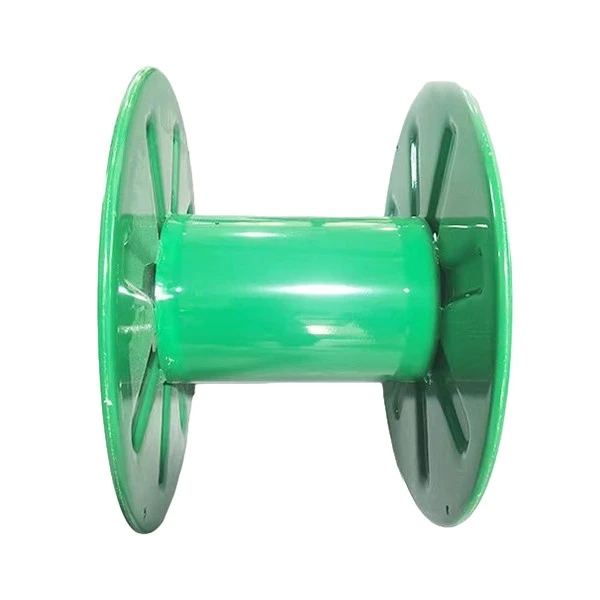

Now, let's talk about metal punching bobbins. These are usually made from steel or aluminum. Metal bobbins are incredibly strong. They can handle a lot of weight and tension without deforming. If you're working with thick wires or cables, or if you need to wind a large amount of material onto the bobbin, metal bobbins are the way to go.
Metal bobbins also have a high heat resistance. This is important if you're using them in applications where there's a lot of friction or heat generated during the winding process. They won't melt or warp like plastic bobbins might.
Another advantage of metal bobbins is their durability. They can last a long time, even with heavy use. This means you won't have to replace them as often as you would plastic bobbins.
But, metal bobbins come with their own set of challenges. They're heavier than plastic bobbins, which can make them more difficult to handle and transport. They're also more expensive to produce, so they'll cost you more upfront. And, as I mentioned earlier, they're prone to rusting if they're not properly coated or maintained.
So, which one should you choose? Well, it depends on your specific needs. If you're looking for a lightweight, cost-effective option for light-duty applications, plastic bobbins are probably the best choice. On the other hand, if you need a strong, durable bobbin for heavy-duty work, metal bobbins are the way to go.
At our company, we offer a wide range of punching bobbins to meet your needs. Whether you're looking for Professional Grade Copper Wire Bobbins, Steel Wire Coil Punching Bobbin, or Punching Wire Spool Bobbin, we've got you covered.
If you're interested in learning more about our products or have any questions, don't hesitate to reach out. We're here to help you find the perfect punching bobbin for your application. Let's have a chat and see how we can work together to meet your needs.
References:
- Industry knowledge and experience as a punching bobbin supplier.
- General understanding of materials science related to plastics and metals.