


Can drums corrugated steel be used for storing solvents?
As a supplier of drums corrugated steel, I often encounter inquiries regarding the suitability of our products for storing solvents. This is a critical question that requires a comprehensive and scientific analysis, considering the safety, chemical compatibility, and long - term storage requirements.
Understanding Corrugated Steel Drums
Corrugated steel drums are known for their robustness and durability. The corrugation design enhances the structural integrity of the drum, allowing it to withstand external pressure, impacts, and rough handling during transportation and storage. These drums are typically made from high - quality steel, which provides a strong barrier against physical damage.
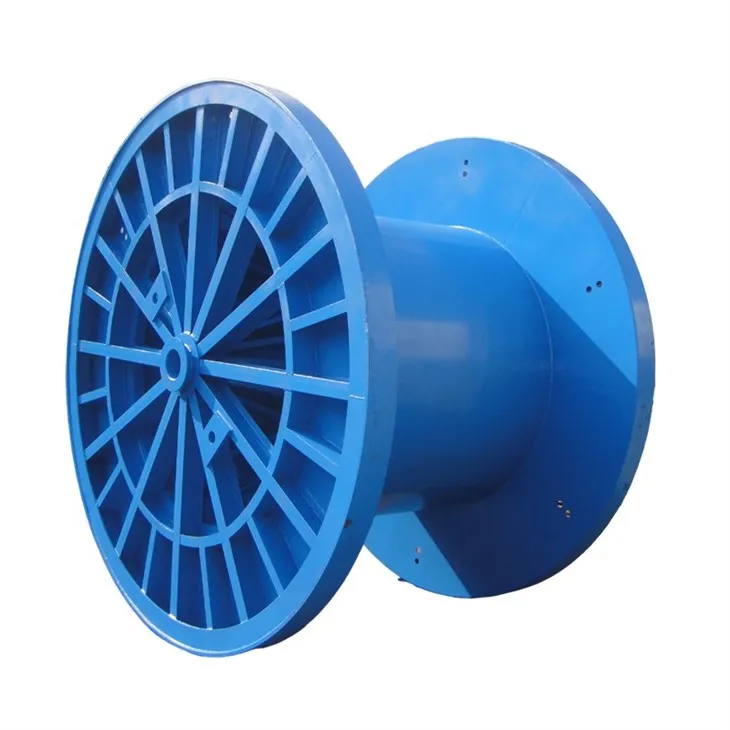
Our company offers a range of corrugated steel drums, including the DIN - 2000 Empty Corrugated Cable Bobbin, Corrugated Cable Drum, and Corrugated Steel Cable Drum, which can be potentially used for solvent storage with proper considerations.
Chemical Compatibility
The first and most crucial factor when considering storing solvents in corrugated steel drums is chemical compatibility. Different solvents have varying chemical properties, and they can react with the steel surface in different ways.
Some solvents, such as water - based solvents or mild organic solvents, may have minimal interaction with steel. For these types of solvents, corrugated steel drums can be a suitable storage option. The steel surface acts as a physical barrier, preventing the solvent from leaking and protecting it from external contaminants.
However, more aggressive solvents, such as strong acids, alkalis, or certain chlorinated hydrocarbons, can corrode steel. When in contact with these solvents, the steel may rust or undergo chemical reactions that weaken the drum's structure over time. Rusting not only compromises the integrity of the drum but can also contaminate the solvent, affecting its quality and potentially causing safety hazards.
Before using corrugated steel drums for solvent storage, it is essential to conduct a chemical compatibility test. This test should involve exposing a small sample of the steel to the solvent under storage - like conditions for an extended period. If there are no signs of corrosion, discoloration, or other chemical reactions, the steel may be suitable for storing that particular solvent.
Environmental Factors
In addition to chemical compatibility, environmental factors also play a significant role in the suitability of using corrugated steel drums for solvent storage. Temperature, humidity, and exposure to sunlight can all affect the performance of the steel and the solvent.
High temperatures can accelerate chemical reactions between the solvent and the steel. If the storage area experiences frequent temperature fluctuations, the expansion and contraction of the steel can lead to micro - cracks, which may compromise the drum's integrity. Similarly, high humidity can promote rusting, especially if the solvent has any water - absorbing properties or if the drum is not properly sealed.
Exposure to sunlight can also have an impact. UV radiation can cause some solvents to degrade, and in some cases, the heat generated by sunlight can increase the temperature inside the drum, exacerbating any chemical reactions between the solvent and the steel.

Therefore, it is crucial to store corrugated steel drums containing solvents in a controlled environment. This may involve storing the drums in a cool, dry place, away from direct sunlight and sources of heat. Additionally, proper ventilation can help prevent the buildup of vapors, which can be flammable or toxic depending on the solvent.
Safety Regulations
Storing solvents in any container, including corrugated steel drums, must comply with relevant safety regulations. Different countries and regions have specific guidelines regarding the storage of solvents, including the type of containers allowed, storage quantities, and safety measures.
For example, in some areas, there are strict regulations on the storage of flammable solvents. These may include requirements for fire - resistant storage facilities, grounding of the drums to prevent static electricity buildup, and proper labeling of the containers.
As a supplier, we can provide our customers with general information about safety regulations, but it is the responsibility of the end - user to ensure full compliance. We encourage our customers to consult local regulatory authorities and safety experts to ensure that their solvent storage practices meet all legal and safety requirements.
Long - Term Storage Considerations
When considering long - term storage of solvents in corrugated steel drums, there are additional factors to take into account. Over time, even if the initial chemical compatibility test shows no issues, the steel may gradually degrade due to slow - acting chemical reactions or environmental factors.
Regular inspections of the drums are essential. This includes checking for signs of rust, leaks, or physical damage. If any issues are detected, the solvent should be transferred to a new container immediately to prevent further problems.
It is also important to rotate the stock of solvents. If solvents are stored for an extended period without use, they may degrade, and the longer they are in contact with the steel, the higher the risk of corrosion. By regularly using and replacing the stored solvents, the overall risk of long - term storage problems can be reduced.
Conclusion
In conclusion, corrugated steel drums can be used for storing solvents, but it depends on several factors. Chemical compatibility is the most critical factor, and a thorough compatibility test should be conducted before using the drums for solvent storage. Environmental conditions and safety regulations must also be carefully considered to ensure the safe and effective long - term storage of solvents.
If you are interested in purchasing our high - quality corrugated steel drums for solvent storage or have any questions regarding their suitability for your specific solvent, please do not hesitate to contact us for further discussions and procurement negotiations. We are committed to providing you with the best solutions for your storage needs.
References
- ASTM International Standards on Chemical Compatibility Testing
- Local Safety and Environmental Regulations on Solvent Storage
- Technical Literature on Corrosion of Metals in Contact with Chemicals