


As a supplier of plastic cable drums, I understand the importance of securely fastening cables on these drums. Proper cable securing not only ensures the safety of the cables during storage and transportation but also maintains their integrity and functionality. In this blog post, I will share some effective methods and best practices on how to secure cables on plastic cable drums.
Understanding the Basics of Cable Securing
Before diving into the specific methods, it's crucial to understand the fundamental principles of cable securing. The primary goals are to prevent the cables from unwinding, tangling, or getting damaged. Additionally, secure cables are easier to handle and install, which can save time and effort in the long run.
Preparing the Plastic Cable Drum
The first step in securing cables on a plastic cable drum is to prepare the drum itself. Make sure the drum is clean and free of any debris or sharp edges that could damage the cables. Inspect the drum for any cracks or defects that might affect its structural integrity. If necessary, repair or replace the drum before proceeding.
Selecting the Right Cable Ties or Straps
Cable ties and straps are essential tools for securing cables on plastic cable drums. When choosing cable ties or straps, consider the following factors:
- Strength: The ties or straps should be strong enough to hold the cables in place without breaking or coming loose.
- Size: Select ties or straps that are appropriate for the size and weight of the cables.
- Material: Opt for ties or straps made of durable materials that can withstand the environmental conditions in which the cables will be stored or transported.
Securing Cables with Cable Ties
Cable ties are a popular and cost-effective way to secure cables on plastic cable drums. Here's how to use them effectively:
- Determine the Number of Ties: Based on the length and weight of the cables, determine how many cable ties you will need. As a general rule, use one tie every few feet or at regular intervals along the length of the cables.
- Thread the Ties: Thread the cable ties through the holes or slots in the plastic cable drum. Make sure the ties are evenly spaced and that the cables are centered between the ties.
- Tighten the Ties: Once the ties are in place, tighten them securely around the cables. Be careful not to overtighten the ties, as this could damage the cables.
- Trim the Excess: Use a pair of scissors or a cable tie cutter to trim the excess length of the cable ties. This will prevent the ties from getting caught on other objects or causing injuries.
Using Straps for Heavy-Duty Cables
For heavy-duty cables or large quantities of cables, straps may be a better option than cable ties. Straps provide more strength and stability, making them ideal for securing heavy loads. Here's how to use straps to secure cables on plastic cable drums:
- Choose the Right Straps: Select straps that are appropriate for the size and weight of the cables. Look for straps with a high tensile strength and a secure locking mechanism.
- Wrap the Straps Around the Cables: Wrap the straps around the cables and the plastic cable drum, making sure the straps are tight and secure. You may need to use multiple straps to ensure adequate support.
- Fasten the Straps: Use the locking mechanism on the straps to fasten them securely. Make sure the straps are tightened evenly to prevent the cables from shifting or moving.
- Inspect the Straps Regularly: Periodically inspect the straps to make sure they are still tight and secure. If any of the straps are loose or damaged, replace them immediately.
Additional Tips for Cable Securing
In addition to using cable ties and straps, there are several other tips and best practices that can help you secure cables on plastic cable drums more effectively:

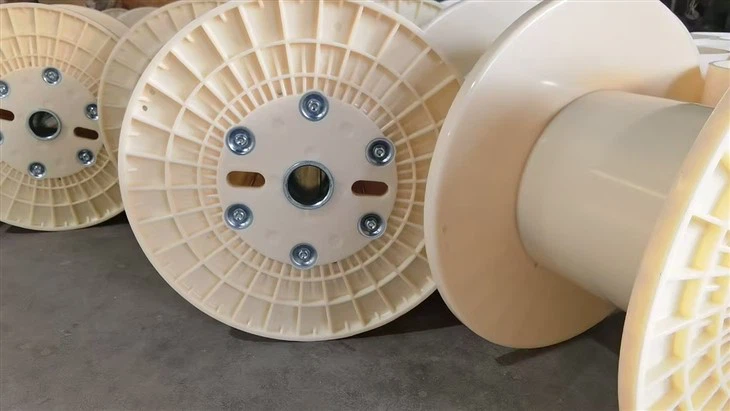
- Use Cable Clamps: Cable clamps can be used to secure cables to the sides of the plastic cable drum. This can prevent the cables from sliding or shifting during transportation.
- Label the Cables: Labeling the cables can make it easier to identify and manage them. Use cable markers or labels to indicate the type, length, and destination of each cable.
- Store the Cables Properly: When not in use, store the cables on the plastic cable drums in a cool, dry place. This will help prevent the cables from deteriorating or getting damaged.
- Inspect the Cables Regularly: Regularly inspect the cables for any signs of damage or wear. If you notice any issues, replace the cables immediately to prevent further problems.
Conclusion
Securing cables on plastic cable drums is an important task that requires careful planning and attention to detail. By following the methods and best practices outlined in this blog post, you can ensure that your cables are securely fastened and protected during storage and transportation. Remember to choose the right cable ties or straps, prepare the plastic cable drum properly, and inspect the cables regularly to maintain their integrity and functionality.
If you're interested in purchasing high-quality plastic cable drums for your cable storage and transportation needs, we invite you to explore our Empty ABS Plastic Wire Reel product line. Our plastic cable drums are made from durable materials and are designed to provide reliable support for your cables. Contact us today to learn more about our products and to discuss your specific requirements. We look forward to working with you!
References
- "Cable Management Best Practices," Electrical Construction & Maintenance Magazine
- "How to Secure Cables on Cable Drums," Industrial Cable Drum Manufacturer's Guide
- "Cable Ties and Straps: A Comprehensive Guide," Fastener Technology International