


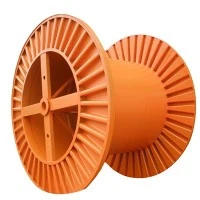


Hey there! I'm an empty pp spool supplier, and over the years, I've learned a thing or two about the best ways to store these spools. So, let's dive right in and talk about what works and what doesn't when it comes to storing empty pp spools.
First off, why is proper storage important? Well, empty pp spools are made of polypropylene, a type of plastic that can be affected by various environmental factors. If not stored correctly, they can get damaged, which means they won't be in top - notch condition when it's time for your customers to use them. And that's a big no - no if you want to keep your clients happy.
Consider the Environment
The environment where you store your empty pp spools is crucial. You want to keep them in a dry place. Moisture can cause all sorts of problems, like mold growth or warping of the spools. I've seen it happen – spools left in a damp basement or a warehouse with poor ventilation start to look all funny after a while. The polypropylene can absorb moisture, and that leads to changes in its shape and structure.
Temperature is another factor. Extreme heat or cold can be bad news for pp spools. In high temperatures, the plastic can become soft and lose its shape. On the other hand, very cold temperatures can make the spools brittle and more likely to crack. So, aim for a storage area with a stable temperature. A climate - controlled warehouse is ideal, but if that's not an option, try to find a place where the temperature doesn't fluctuate too much.
Organize for Efficiency
Organization is key when it comes to storing empty pp spools. You don't want to have a big jumbled mess of spools that you have to dig through every time someone wants to place an order. One good way to organize is by size. Group the spools according to their diameter and width. This makes it easy to find the right spool quickly. You can use shelving units or pallets to keep the spools in an orderly fashion.
Labeling is also super important. Put labels on the shelves or pallets that clearly state the size and type of spools. This saves a lot of time and reduces the chances of making mistakes when fulfilling orders. And if you have different types of pp spools, like those for different industries or applications, make sure to separate them as well.
Protect from Physical Damage
Empty pp spools are pretty sturdy, but they can still get damaged if they're not handled properly. Avoid stacking them too high, as the weight of the spools on top can cause the ones at the bottom to deform. You can use spacers or dividers between the layers of spools to distribute the weight evenly.
Also, be careful when moving the spools around. Use proper equipment like forklifts or pallet jacks to lift and transport them. Rough handling can lead to scratches, dents, or even breakage. And if you're storing the spools outdoors (although this isn't ideal), make sure they're covered with a tarp to protect them from the elements and any potential impact from passing vehicles or equipment.


Use Appropriate Storage Containers
If you have smaller empty pp spools, you might consider using storage containers. These can help keep the spools organized and protected. Plastic bins or cardboard boxes can work well. Just make sure the containers are clean and dry before you put the spools in them.
For larger spools, pallets are a great option. You can stack the spools on pallets and secure them with straps or shrink - wrap. This not only keeps the spools together but also makes them easier to move around using a forklift.
Keep Them Clean
Cleanliness is often overlooked when it comes to storing empty pp spools, but it's really important. Dust and dirt can accumulate on the spools over time, and that can affect their appearance and functionality. Regularly clean the storage area to prevent dust from settling on the spools. You can use a broom or a vacuum cleaner to keep the floors and shelves clean.
If the spools do get dirty, you can clean them with a mild soap and water solution. Just make sure to dry them thoroughly before putting them back in storage. This helps maintain the quality of the spools and ensures that they're in good condition when they're ready to be shipped out.
Rotate Your Stock
Stock rotation is a good practice to follow. Use the “first in, first out” (FIFO) method. This means that the spools that have been in storage the longest are the first ones to be shipped out. This helps prevent the spools from sitting in storage for too long and potentially getting damaged due to long - term exposure to the storage environment.
By implementing a stock rotation system, you can ensure that your customers always receive spools that are in the best possible condition. And it also helps you manage your inventory more effectively.
Conclusion
So, there you have it – the best ways to store empty pp spools. Taking care of the environment, organizing efficiently, protecting from physical damage, using appropriate storage containers, keeping them clean, and rotating your stock are all important steps in ensuring that your empty pp spools are in top - notch condition.
If you're in the market for high - quality Empty Pp Spool, Empty Wire Spool, or Pp Cable Drum Bobbin, I'm here to help. Whether you need a small quantity for a one - time project or a large order for regular use, I can provide you with the right spools. Contact me if you're interested in discussing your requirements and getting a great deal on these spools. Let's work together to make sure your operations run smoothly!
References
- Plastic Material Handbook: Information on the properties of polypropylene and how environmental factors affect it.
- Warehouse Management Guides: Tips on organization, storage, and inventory management.